Sleep Apnea
Understanding Obstructive Sleep Apnea (OSA)
Recognize the signs of airway collapse during sleep, daytime fatigue, and when to get a clinical home sleep apnea test.
SB
By Dr. Suresh Bhat
Medically reviewed by Dr. Priya Nair
05 Aug 2026 · 7 min read

What is Obstructive Sleep Apnea?
Obstructive Sleep Apnea (OSA) is a sleep disorder where the throat muscles intermittently relax and block your airway during sleep. This causes repeated pauses in breathing throughout the night.
Common Symptoms
- Loud, continuous snoring interspersed with silent pauses or gasping.
- Waking up with a dry mouth or sore throat.
- Excessive daytime sleepiness (EDS) and brain fog.
- Morning headaches and mood irritability.
Health Consequences of Untreated OSA
Chronic hypoxia caused by OSA increases the risk of:
- High blood pressure (hypertension)
- Type 2 diabetes
- Cardiovascular disease and arrhythmias
- Daytime accidents due to fatigue
How OSA is Diagnosed and Treated
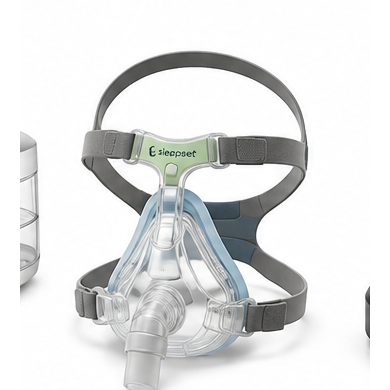
Diagnosis typically begins with a 1-night Home Sleep Apnea Test (HSAT) monitoring oxygen levels, heart rate, and airflow. Gold-standard treatment involves CPAP (Continuous Positive Airway Pressure) therapy or oral appliance therapy.